Home Seller Resources›Houses Needing Repairs›How to Sell a House That Needs Repairs in New York
Houses Needing Repairs

How to Sell a House That Needs Repairs in New York

Repair first, list as-is, or take a cash offer? Here's how to compare them on what you actually keep, not the headline price.

Updated October 7, 2026•About 12 minutes•By The CashForHousez Team
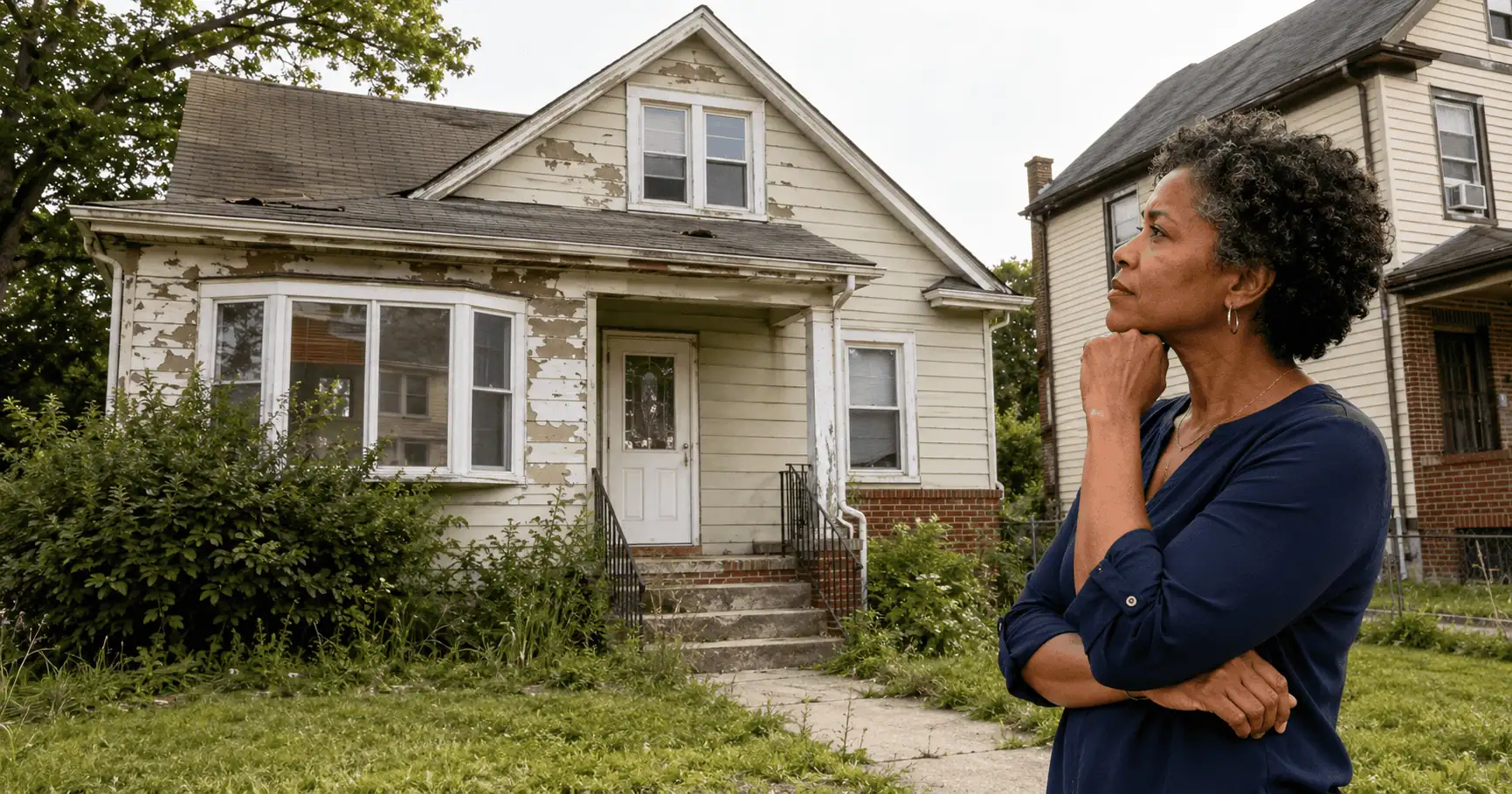
Homeowner deciding how to sell a New York house that needs repairs
Quick Answer

Yes. A New York house doesn't have to be fixed up before it sells. You have three realistic routes: repair and then list, list it as-is, or sell directly for cash. The right one is whichever leaves you the most money after repairs, selling costs and the months you keep paying for the house, at a level of hassle and risk you can live with.

1

Can You Sell a New York House That Needs Repairs?

Yes. Houses sell in New York in every condition, from a dated kitchen to a full gut job. Condition doesn't stop a sale. It changes who buys, how they pay, how long it takes and what they'll offer.

A house with an active roof leak or a dead boiler can be hard to finance with a standard mortgage, which narrows the field to cash buyers and buyers using renovation loans. A house with worn floors and an old bathroom will usually sell to almost anyone, just for less than a renovated one.

So before deciding anything, pin down three things: what's actually wrong with the house, whether anything is on record with the city or town, and what each way of selling would leave in your pocket. The rest of this guide walks through those in order.

2

Sort Out What's Actually Wrong

A long repair list usually looks worse than it is. Peeling paint and old cabinets are a different category of problem from an active leak, foundation movement, bad wiring or a heating system that doesn't work, and each category gets handled differently.

Common problems in houses that need work

  • Old or leaking roofs
  • Water coming in, plumbing failures or mold
  • Outdated electrical service or unsafe wiring
  • Foundation cracks or structural movement
  • Broken windows, damaged siding or crumbling steps
  • Heating, cooling or appliances that don't work
  • Fire, storm or long-vacancy damage
  • Open permits, code violations or unapproved alterations

Match each problem to the right person: a roofer for the roof, a licensed electrician for wiring, a structural engineer for foundation movement. A general home inspection is a good first pass, but it flags problems rather than pricing them. For structural issues specifically, see our guide to selling a house with foundation problems.

Separate urgent problems from optional improvements

Four kinds of repair problems
ProblemFirst questionWhat it means for the sale
Safety hazards or active damageWho needs to come out now to stop it?Fix or stabilize it regardless of how you sell. Selling as-is doesn't make a hazard acceptable.
Roof, structure, electrical or plumbingWhat's the cause, and what does a written repair estimate say?Affects inspections, financing, insurance and how much buyers discount their offers
Cosmetic wear or dated finishesWill local buyers pay more than the work costs?Often fine to leave, or to fix selectively
Permits, violations or legal-use issuesWhat do the city or town records show?A physical repair alone won't clear the paperwork

Don't paint over a water stain or patch a crack to hide it. The buyer's inspector usually finds it anyway, and concealing a known defect creates a disclosure problem far worse than the defect itself.

Build a condition file

Put every inspection report, repair invoice, warranty, permit, violation notice and insurance claim in one folder. Write down what was fixed, what wasn't and what you don't know. Buyers pay more confidently for a house with records than for one where the seller says "everything was handled."

3

Should You Make Repairs or Sell the House As-Is?

It comes down to four things: how much cash you can put in, how much time you have, how much contractor hassle you'll put up with, and how much more buyers in your area will actually pay for the finished work. Repairs can widen the pool of buyers and raise the price. They also cost money up front, may need permits and inspections, and add months of mortgage, tax and utility payments.

New York homeowner comparing repair costs before selling a house
Compare the likely cost, time and return before starting major work.
Seller Tip

Before signing a contractor's agreement, write down what you expect the house to sell for after the work and what it would sell for today. If the gap isn't comfortably bigger than the repair cost plus the extra months of carrying costs, the project probably doesn't pay.

Selling as-is means you aren't promising to fix anything before closing. Buyers can still inspect and negotiate; the difference is that repairs aren't your obligation unless you agree to them in the contract. Our as-is selling guide explains how that works in detail.

What if you can't afford repairs?

Then don't borrow for them on someone's promise that the work will pay for itself. Ask an agent what the house would sell for as it stands, get one or two written cash offers based on the same condition, and compare. The gap is often smaller than sellers expect once you count repair costs and carrying time.

Get estimates you can actually compare

  • Defined scope, quantities, materials and exclusions
  • Who handles permits, design, inspections and final sign-offs
  • Start date, expected duration and payment schedule
  • License and insurance information where required
  • How hidden damage and change orders will be priced
  • Cleanup, disposal, warranties and completion paperwork

Separate what has to be fixed (an active leak, unsafe stairs) from what would just look nicer. A limited scope is often a better bet than a full remodel. For a room-by-room look at what you can usually leave alone, see what not to fix before selling.

4

Compare the Main Ways to Sell a House That Needs Work

Repair, then list

Can reach the most buyers and the highest price, but takes cash up front, project management and time.

List as-is

Puts the house on the open market without major work. Buyer financing and inspection negotiations can still affect the deal.

Direct cash sale

Usually the least preparation and no buyer mortgage to wait on, in exchange for a lower price. Compare the written terms and what you'd actually net.

None of these is right for everyone. A seller chasing the top price and a seller who needs to be done in six weeks will pick differently, and both can be making the right call.

A house needing work doesn't mean cash-only

Some buyers use renovation loans such as HUD's FHA 203(k), which rolls the purchase and the repairs into one mortgage. Whether a particular buyer and house qualify is up to the lender, and these loans usually take longer to close. Still, it means a house that needs work can attract more than just investors.

See HUD's 203(k) rehabilitation loan page. One catch: a credit from you at closing doesn't satisfy a lender that requires the repair itself to be done.

Thinking about selling your property?

Tell us about the house and its condition to request a no-obligation cash offer. You can review it and decide whether it fits your needs.

Request a Cash Offer →
5

How Repairs Affect the Price You'll Get

Buyers price a house that needs work by starting from what similar fixed-up houses sell for, then subtracting the repair cost, a cushion for surprises behind the walls, the months the work will take and, for investors, their profit. That's why an as-is offer is always well below the after-repair price, and why comparing those two numbers directly is misleading.

The fair comparison is what you'd keep under each route. That means counting:

  • Contractor and material costs
  • Permits, professional fees and inspections
  • Property taxes, insurance, utilities and maintenance while the work happens
  • Agent commissions and other selling costs, if any
  • Cost overruns and credits a buyer may still ask for
  • When the money actually arrives

Use written estimates and real local sales for this, not a single number a contractor mentions in passing.

Example: does the repair plan pay off?

Here's that comparison with made-up numbers. They aren't local prices or quotes, so swap in your own estimates.

Hypothetical proceeds before mortgage payoff and personal taxes
ItemSell in current conditionRepair, then sell
Sale price$640,000$715,000
Repair spending$0$45,000
Selling costs and credits$24,000$33,000
Carrying costs until closing$3,500$11,000
What's left$612,500$626,000

Repairing comes out $13,500 ahead here. But a $15,000 overrun, which is common once walls get opened, drops that route to $611,000, now $1,500 behind selling as-is. A slower sale or a lower final price would swing it further.

The rule of thumb: repairs pay only when the extra sale price clearly beats the repair cost plus the extra selling and carrying costs, with room left for surprises. For a line-by-line worksheet of what comes out at closing, see our guide to seller closing costs in New York.

Use comparable sales that actually compare: sold houses near you, of the same type and legal use, in similar condition. A renovated house in another neighborhood tells you very little about yours.

6

Disclosures and Permits When the House Needs Work

Selling as-is doesn't let you hide known problems. If your house is covered by New York's Property Condition Disclosure Act, which generally means one-to-four-family houses and not condos or co-ops, you have to give the buyer the state disclosure form before they sign a contract. You answer based on what you actually know; you don't have to hire an inspector to fill it out.

Use the current Department of State form, and have your attorney confirm whether an exemption applies to your sale. Federal lead-paint disclosure rules also apply to most homes built before 1978. Our as-is guide covers the disclosure rules in full.

Permits: Queens and Brooklyn vs. Nassau

Repairs come with their own paperwork. In NYC, most construction needs a Department of Buildings permit. Some minor work is exempt, but even exempt work has to meet code. In Nassau, permits come from your town, village or city, not the NYC DOB. Check before you start, because unpermitted work can surface in the buyer's title search and stall your closing.

If the house has a basement apartment or converted attic, find out whether it's legal before you price or advertise it. Selling for cash doesn't make an illegal unit legal. If violations are already on record, start with our guide to selling a house with code violations.

Older houses: lead-safe renovation rules

In houses built before 1978, work that disturbs painted surfaces can fall under EPA's Renovation, Repair and Painting rules, which require certified contractors. That's separate from the lead disclosure you owe a buyer. Ask your contractor about it before any sanding or demolition.

7

How a Direct Cash Sale Usually Works

You describe the house, its condition and who's living there. The buyer looks at comparable sales, walks through, and gives you a written offer. If you accept, both sides' attorneys handle the contract and title work, and you close.

Homeowner reviewing options to sell a New York house that needs repairs
Review the offer, proposed timeline and written terms before deciding.

Cash removes the buyer's mortgage approval, which is often the slowest and least predictable step. It doesn't remove title work, liens or the contract itself.

Before signing, confirm who is actually buying, whether they plan to assign the contract to someone else, how the deposit is held, what access they need, and which costs come out of your proceeds.

Our cash-sale guide goes through how to vet a buyer and compare offers. CashForHousez is a direct buyer, so compare our written offer with your other options.

8

Questions to Ask Before Accepting an Offer

  • Is the offer based on the house's current condition?
  • Can the buyer ask for repairs or credits later?
  • Can they show proof of funds?
  • Are there inspection, financing or other contingencies?
  • Who handles cleanout and leftover belongings?
  • What fees or costs come out of your proceeds?
  • Can the contract be assigned to another buyer?
  • What's the closing date, and can it change?
  • Which attorney or title company is handling closing?

Get every promise in writing and have your attorney review the contract. A clear written offer at a slightly lower price often beats a vague higher one.

Before committing to repairs or an offer

  • Document known problems and gather your records
  • Get urgent safety or damage issues looked at
  • Check permit requirements for any work you're planning
  • Estimate what you'd keep selling as-is and after repairs
  • Include selling costs, carrying time and a cushion for surprises
  • Confirm the buyer's funding, inspection rights and when the price can change
  • Put repairs, cleanout, leftover belongings and who pays what in writing

If the house was inherited, settle who has authority to sell and how the family will make spending decisions before approving any major work. Our inherited-house guide covers those questions.

Common Questions

Frequently Asked Questions

Can I sell a house that needs major repairs in New York?

Yes. Condition affects who can buy and what they'll pay, but it doesn't stop a sale. Many houses that need major work sell to cash buyers or to buyers using renovation loans.

Do I have to fix everything an inspection finds?

No. Inspection findings are a starting point for negotiation. You can fix items, offer a credit, lower the price or decline, unless your contract already promised a specific repair. See our guide to buyer repair requests.

What does selling a house as-is mean?

You're selling in the current condition and not promising repairs. Buyers can still inspect, and your disclosure obligations still apply.

Can I sell a house with open violations?

Usually, but violations can affect financing, title and price, and some have to be resolved before closing. Our code violations guide walks through the steps.

Is repairing the house always more profitable?

No. Repairs pay only when the extra sale price clearly beats the repair cost, the extra carrying costs and the risk of overruns. Run the numbers both ways before you start.

Final Thoughts

Conclusion: Pick the Route That Leaves You the Most

A house that needs work isn't a dead end. It's a math problem. Get real estimates for the work, a realistic value for the house as it stands, and at least one written offer, then compare what each route actually leaves you after costs and time.

If the repairs clearly pay, do them. If they don't, or you don't have the cash or the patience for a renovation, selling as-is is a sound choice, not a failure.

Considering selling a house that needs repairs?

Tell us about the New York property and its current condition. Request a no-obligation cash offer and decide whether it works for you.

Tell Us About Your Property

Any questions or concerns?

Please let us know

We will get back to you promptly